
Is It Just Nerves? 8 Signs Your Child May Be Struggling with School Anxiety
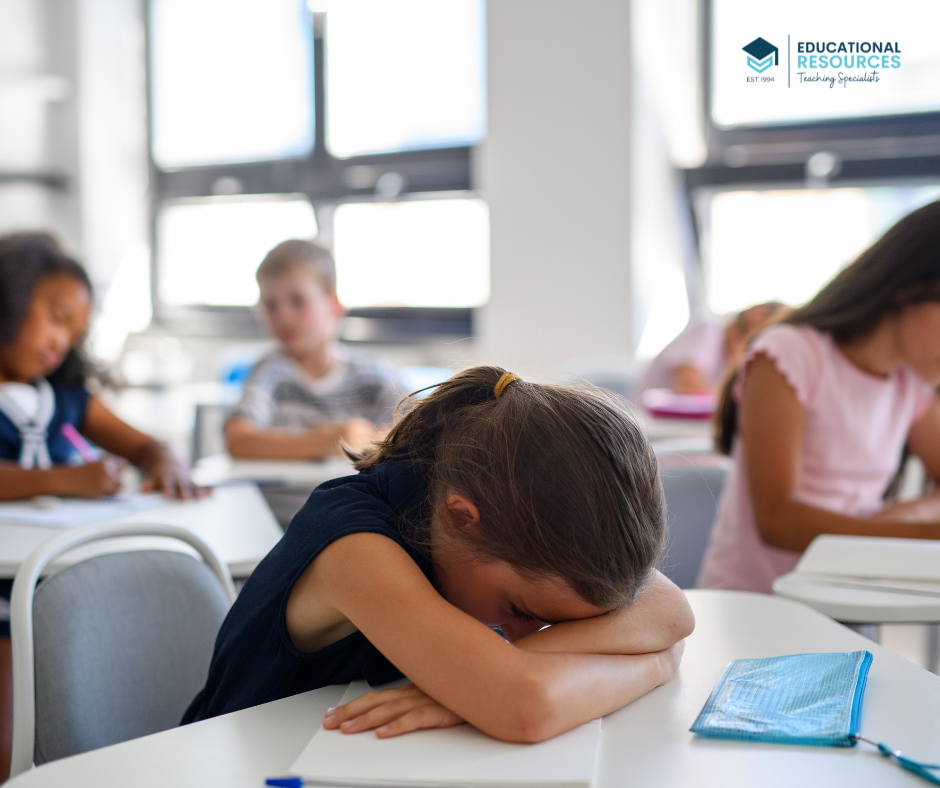
It's Sunday evening, and the mood in your house shifts. Your child gets quiet, then clingy, then suddenly close to tears. Monday morning brings a familiar refrain: "I don't feel good." The bus is coming, but the stomachache is real to them, and homework the night before ended in frustration and tears.
If this sounds like your family, take a breath. You're not overreacting, and your child isn't simply being difficult. Sometimes what looks like a "phase" is something deeper. Let's talk about how to tell the difference between everyday nerves and school anxiety that deserves your attention.
What School Anxiety Really Is
Every kid gets nervous sometimes. A big test, the first day of school, a new teacher: these things stir up butterflies, and that's completely normal. Those feelings usually fade once the moment passes.
School anxiety is different. It's an ongoing worry or fear tied to school that sticks around and starts to affect daily life. It doesn't disappear after the first week. It shows up again and again, in the body, in behavior, and in how your child talks about themselves.
Here's what matters most: this is common, and your child isn't being "dramatic." Their fear is real to them, even when the cause isn't obvious to you. Naming it as anxiety, rather than defiance or laziness, is the first step toward helping.
8 Signs Your Child May Be Struggling
Anxiety doesn't always announce itself. It often hides behind everyday complaints and moods. Here are eight signs worth watching for.
Frequent stomachaches or headaches with no medical cause. When the doctor finds nothing wrong but the pain keeps showing up on school days, anxiety may be the source.
Trouble sleeping on school nights. Difficulty falling asleep, restless nights, or Sunday-night dread can point to worry about the days ahead.
Meltdowns or clinginess before school. Tears, tantrums, or refusing to let go at drop-off are often signs of anxiety, not misbehavior.
Avoiding school or asking to stay home often. A pattern of "I can't go today" usually means something at school feels overwhelming.
Big emotions around homework or tests. Frequent frustration, crying, or panic over assignments can signal fear of failing or falling behind.
Pulling away from friends and activities. A child who once loved playdates or sports but now withdraws may be carrying more stress than they can express.
Negative self-talk. Phrases like "I'm dumb" or "I hate school" reveal how a struggling child sees themselves, and that belief hurts.
A drop in grades or effort despite trying. When a child works hard but still slips, anxiety may be draining the focus and energy they need to succeed.
A single sign now and then is usually nothing to worry about. But if several of these feel familiar, or they keep repeating, it's worth paying closer attention.
Why Traditional Classrooms Can Make It Worse
For an anxious child, a typical classroom can feel like a pressure cooker. Understanding why can help you see the struggle more clearly.
Large classes mean more noise, more eyes, and more chances to feel lost in the crowd.
Fast pacing leaves little room to catch up when a child needs a moment to breathe or ask for help.
Constant comparison to classmates makes an anxious student feel like they're always behind.
Many kids learn to hide all of this. They hold it together through the school day, then let it out at home in meltdowns and tears. So when the hard moments happen in your kitchen instead of the classroom, it can be tough to see the full picture. What you're seeing at home is often the overflow of a long, stressful day.
How the Right Environment Helps
Sometimes the most powerful change isn't fixing the child. It's changing the setting around them.
The Day School at Educational Resources offers exactly that kind of change. It's designed for students who need a different kind of atmosphere than a traditional school can provide — whether that's because of anxiety, a learning difference, or anything else that makes a mainstream setting feel difficult or out of reach. Instead of a crowded, fast-moving classroom, students learn in a calmer, more supportive setting built around their individual needs.
Here's what makes the difference:
Smaller settings that feel safe and manageable, not overwhelming.
Personalized attention so your child is truly seen, not lost in a sea of faces.
A pace that meets each child where they are, giving them room to learn without the constant fear of falling behind.
A schedule that works for families, with classes held Monday through Thursday from 9:30 a.m. to 2:30 p.m.
When the environment fits the child, anxiety often begins to ease. Mornings get calmer. Confidence starts to grow. And school can finally feel like a place to learn instead of a place to survive.
Trust Your Instincts
You know your child better than anyone. If something feels off, that feeling matters. You don't have to wait for a crisis or hope things sort themselves out.
Trusting your gut and exploring options early is one of the kindest things you can do. Addressing school anxiety sooner, rather than waiting for it to grow, gives your child the best chance to feel better and thrive.
Do a few of these signs feel familiar? You don't have to figure this out alone. We welcome families to come tour The Day School and set up an appointment to see whether it's the right fit for their student. Reach out to Educational Resources to learn more about how The Day School offers a calmer, more supportive place for your child to learn and grow. Contact us today to start the conversation.

About the Author: Lindsay O’Brien
Lindsay O'Brien is the active Executive Director of Educational Resources in Louisville, KY. Previously, she spent over 10 years as a teacher before transitioning to tutoring and standardized test preparation.